

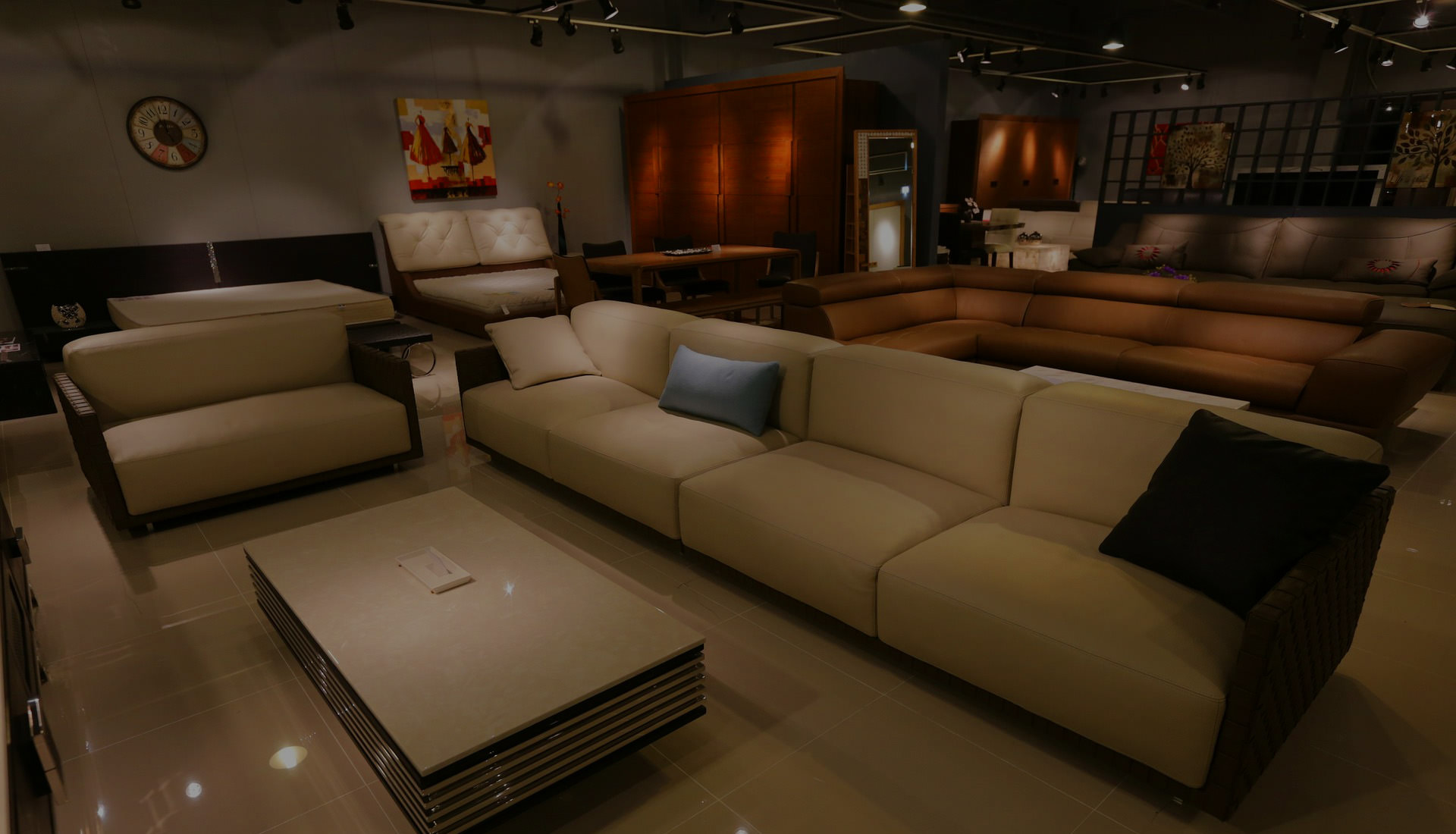
Custom Furniture Designing
Designing custom furniture is a rewarding and creative process. Whether we’re an experienced designer or someone with a passion for excellent projects.Custom furniture designing is a creative and iterative process. We don’t be afraid to experiment and make adjustments along the way to achieve a piece that reflects our vision and meets your functional needs.
Here are few features of our fame company.
Define Your Purpose and Requirements:
Clearly understand the purpose of the furniture (e.g., dining table, bookshelf, bed).
Consider the dimensions, style, and functionality required.
Research and Inspiration:
Look for inspiration from various sources, including magazines, online platforms, and furniture design websites.Explore different styles, materials, and construction techniques.
Sketch Your Ideas:
Start with rough sketches to visualize your ideas.
Consider different design elements such as shape, size, and detailing.
Material Selection:
Choose materials that suit the purpose and aesthetics of your design.
Consider factors like durability, cost, and availability.
Create Detailed Drawings:
Develop detailed drawings or blueprints using design software or traditional drafting methods.
Include accurate measurements, angles, and any other relevant details.
Prototyping or 3D Modeling:
Create a prototype or use 3D modeling software to visualize your design in a three-dimensional space.
This helps you identify potential issues and make adjustments before building the actual piece.
Cost Estimation:
Estimate the cost of materials, tools, and labor required to build the custom furniture.
Ensure that your budget aligns with your design.
Select a Construction Method:
Decide on the construction method based on your skills, tools available, and the complexity of the design.
Common methods include traditional woodworking, metalworking, or a combination of materials.
Build and Assemble:
Follow your detailed drawings and prototype to build the furniture.
Pay attention to details and precision during the construction process.
Finish and Seal:
Apply a finish that complements the materials used and enhances the overall appearance.
Consider protective coatings to increase durability.
Test and Refine:
Test the functionality of the furniture to ensure it meets your requirements.
Make any necessary refinements based on testing feedback.
Documentation:
Document the design process, including drawings, materials used, and construction details.
This documentation can be useful for future reference or if you decide to share your design with others.